
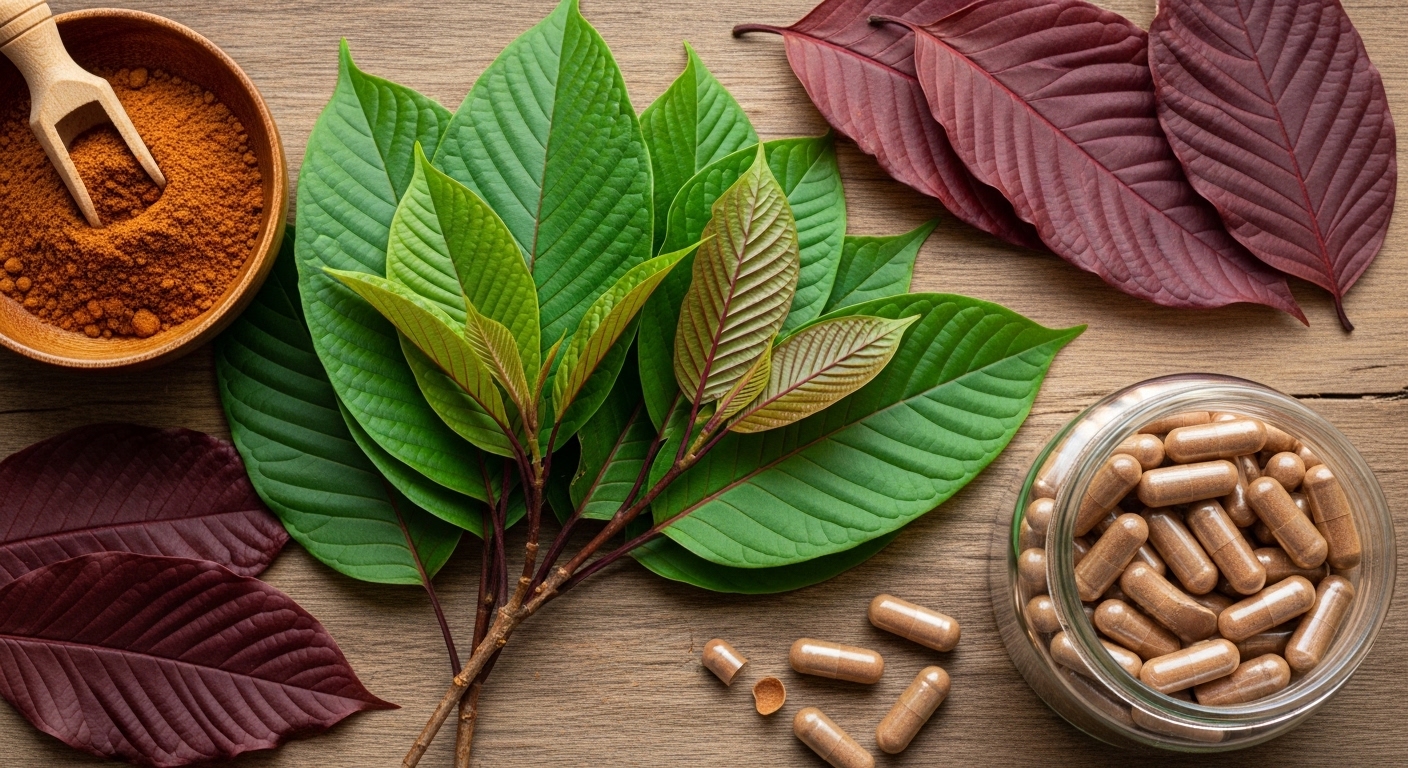
Most kratom users chase effects without understanding what drives them. Red Dragon Kratom stands out in crowded vendor catalogs, but few people know what makes this strain actually different. The alkaloid profile determines strength, duration, and reliability—not marketing claims or exotic names.
Understanding how alkaloids work in Red Dragon Kratom matters more than dosage charts or vendor promises. This strain carries specific characteristics tied to its chemical makeup, not just its red vein classification. The facts below cut through the noise.
- Alkaloid concentration determines Red Dragon Kratom potency, not leaf color alone
- Mitragynine and 7-hydroxymitragynine ratios vary significantly between batches and sources
- Strength claims often lack lab verification and independent testing
- Quality testing reveals more than vendor descriptions ever will
- Realistic expectations prevent disappointment and potential misuse
Fact 1: Alkaloid Content Varies More Than Most Realize
Red Dragon Kratom contains dozens of active alkaloids. Mitragynine typically ranges from 1% to 2% by weight. 7-hydroxymitragynine appears in much smaller amounts—usually under 0.05%.
These percentages shift based on growing conditions and harvest timing. Soil quality affects alkaloid development. Weather patterns during growth change chemical profiles. Processing methods alter final concentrations.
Most vendors don’t test every batch. That creates inconsistency between purchases. One bag might hit harder than the next. Premium Red Dragon powder from reliable sources shows tighter consistency.
Alkaloid variation explains why effects feel different across orders. Quality comes first when choosing suppliers.
Fact 2: Mitragynine Drives Most Effects
Mitragynine makes up 60% to 70% of total alkaloid content. This compound interacts with opioid receptors differently than pharmaceutical options. The binding affinity determines effect intensity.
Red Dragon Kratom typically contains moderate mitragynine levels compared to other strains. Green and white veins often show higher concentrations. Reds prioritize different alkaloid balances.
The ratio matters more than raw numbers. Higher mitragynine doesn’t always mean stronger effects. Other alkaloids modify how mitragynine works in the body.
Most users notice gradual onset with Red Dragon. Peak effects arrive 45 to 90 minutes after consumption. Duration extends 4 to 6 hours for most people.
Fact 3: 7-Hydroxymitragynine Adds Potency
This alkaloid appears in trace amounts but packs serious impact. 7-hydroxymitragynine binds more strongly to receptors than mitragynine. Even small quantities shift overall effects.
Red Dragon Kratom contains less 7-hydroxymitragynine than enhanced products. Some vendors artificially boost this compound through extraction. Natural leaf powder maintains balanced ratios.
Enhanced versions carry higher risk profiles. Tolerance builds faster with concentrated alkaloids. Withdrawal symptoms intensify when ratios skew unnaturally.
Stick with standard powder or capsules. Avoid products advertising “extra strength” or “enhanced potency.”
Fact 4: Processing Methods Change Alkaloid Stability
Drying techniques affect alkaloid preservation. Indoor drying protects compounds from UV degradation. Outdoor sun-drying may reduce certain alkaloid levels.
Fermentation creates different alkaloid profiles entirely. Some red veins undergo fermentation to deepen color. This process alters mitragynine concentrations and introduces new compounds.
Red Dragon Kratom typically uses standard drying methods. Minimal processing preserves natural alkaloid balance. Over-processing degrades quality and consistency.
Storage conditions matter after purchase. Heat and light break down alkaloids over time. Airtight containers in cool, dark spaces maintain potency.
Proper handling extends shelf life to 12 months minimum. Poor storage reduces strength within weeks.
Fact 5: Strength Claims Rarely Include Lab Evidence
Vendors describe Red Dragon Kratom as “potent” or “premium” without data. Marketing language doesn’t equal verified alkaloid content. Lab testing reveals actual strength.
Third-party testing costs money vendors often skip. Independent labs measure alkaloid percentages and contamination levels. Results show whether products match descriptions.
Look for certificates of analysis (COAs) from accredited facilities. These documents list specific alkaloid concentrations. Batch numbers should match product packaging.
No COA means no verification. Quality testing builds trust between vendors and users. Proven approach to product safety.
Fact 6: Individual Response Varies Despite Consistent Alkaloids
Two people taking identical Red Dragon Kratom doses experience different effects. Body weight influences alkaloid absorption rates. Metabolism speed changes how quickly compounds activate.
Genetic factors affect receptor sensitivity. Some individuals naturally respond stronger to mitragynine. Others need higher doses for comparable effects.
Prior opioid exposure alters kratom response. Cross-tolerance reduces effectiveness for some users. First-time users typically notice effects at lower doses.
Empty stomach consumption increases absorption speed and intensity. Food delays onset and may reduce peak effects. Timing matters as much as dose size.
Start low regardless of alkaloid percentages. Individual variation outweighs general strength claims.
Fact 7: Alkaloid Degradation Happens Faster Than Expected
Mitragynine breaks down when exposed to oxygen and moisture. Opened packages lose potency quicker than sealed products. Degradation accelerates in humid environments.
Red Dragon Kratom stored improperly loses 10% to 20% potency monthly. Light exposure speeds alkaloid breakdown. Clear containers offer worse protection than opaque packaging.
Vacuum-sealed bags preserve alkaloids longest. Mylar pouches with oxygen absorbers extend shelf life. Glass jars work if stored in complete darkness.
Check powder color and smell before use. Fading color indicates alkaloid loss. Musty odors signal moisture contamination.
Replace old stock rather than increasing doses. Fresh product maintains consistent alkaloid profiles.
Understanding Alkaloid Synergy in Red Dragon Kratom
Individual alkaloids don’t work in isolation. Synergistic effects occur when multiple compounds interact. This phenomenon explains why whole leaf powder differs from isolated extracts.
Red Dragon Kratom contains speciogynine, paynantheine, and speciociliatine alongside primary alkaloids. These minor compounds modify mitragynine’s effects. The complete alkaloid spectrum creates the full experience.
Extracts remove this natural balance. Isolated mitragynine produces different effects than whole leaf. Side effects may increase without buffering compounds.
Full-spectrum products preserve alkaloid synergy. This approach follows nature’s proven formula.
Testing Standards That Actually Matter
Alkaloid testing reveals strength. Heavy metal screening prevents contamination exposure. Microbial testing catches dangerous bacteria and mold.
Red Dragon Kratom should pass all three categories. Reputable vendors publish complete test results. Transparency signals commitment to user safety.
Independent labs like Wonderland Labs or Kayabot provide reliable testing. In-house testing creates conflicts of interest. Third-party verification removes bias.
Check testing dates on COAs. Results older than six months may not reflect current batches. Recent testing shows ongoing quality control.
Realistic Expectations for Alkaloid Effects
Red Dragon Kratom works over time, not instantly. Effects build gradually as alkaloids absorb. Peak intensity arrives well after consumption.
Duration matters more than immediate impact. Sustained effects last several hours with quality products. Quick spikes and crashes suggest poor alkaloid profiles.
Most users report relaxation and mild discomfort relief. Stronger signals don’t mean better products. Overwhelming effects often indicate contaminated or enhanced batches.
Moderate, consistent effects demonstrate proper alkaloid balance. Extreme experiences raise quality concerns.
Dosage Considerations Based on Alkaloid Content
Lower alkaloid percentages require slightly higher doses. Higher concentrations need smaller amounts. Lab results guide appropriate serving sizes.
Start with 2 grams regardless of stated strength. Assess individual response before increasing. Add 0.5 grams if effects remain minimal.
Never exceed 5 grams in single servings. High doses increase side effect risk without proportional benefits. Takes time to find personal optimal range.
Tolerance develops with daily use. Rotating strains helps maintain effectiveness. Skip shortcuts that promise instant results.
Conclusion
Red Dragon Kratom alkaloid profiles determine real-world effects more than vendor marketing. Mitragynine and 7-hydroxymitragynine concentrations vary between batches and sources. Quality testing reveals actual strength where claims fall short.
Understanding alkaloid chemistry prevents unrealistic expectations and poor purchasing decisions. Fresh product from tested suppliers maintains consistent alkaloid levels. Proper storage preserves potency over time.